
The Best Fluffy Pancakes recipe you will fall in love with. Full of tips and tricks to help you make the best pancakes.
Electric Cryotherapy Chamber vs Nitrogen Cryosauna: A Practical Comparison for Clinic Owners
If you’re pricing a whole body cryotherapy chamber for a recovery studio, the first decision you’ll face is the cooling source. A nitrogen cryosauna chills its cabin with vapor from a tank of liquid nitrogen. An electric unit runs a refrigeration circuit and doesn’t touch cryogenic gas. Both give a client two or three minutes in air far below freezing, yet the business you run around each machine looks different, from the invoices you pay to the way you staff a busy Saturday.
Two Ways to Make Extreme Cold
A nitrogen cryosauna, the format brands such as Juka and CryoMed made popular, draws liquid nitrogen from a dewar, turns it into vapor and feeds it into an open-top cabin. The client’s head stays above the rim while the body sits in the cold vapor. Nitrogen cabins run colder than most electric systems, and many models reach -120°C or lower.
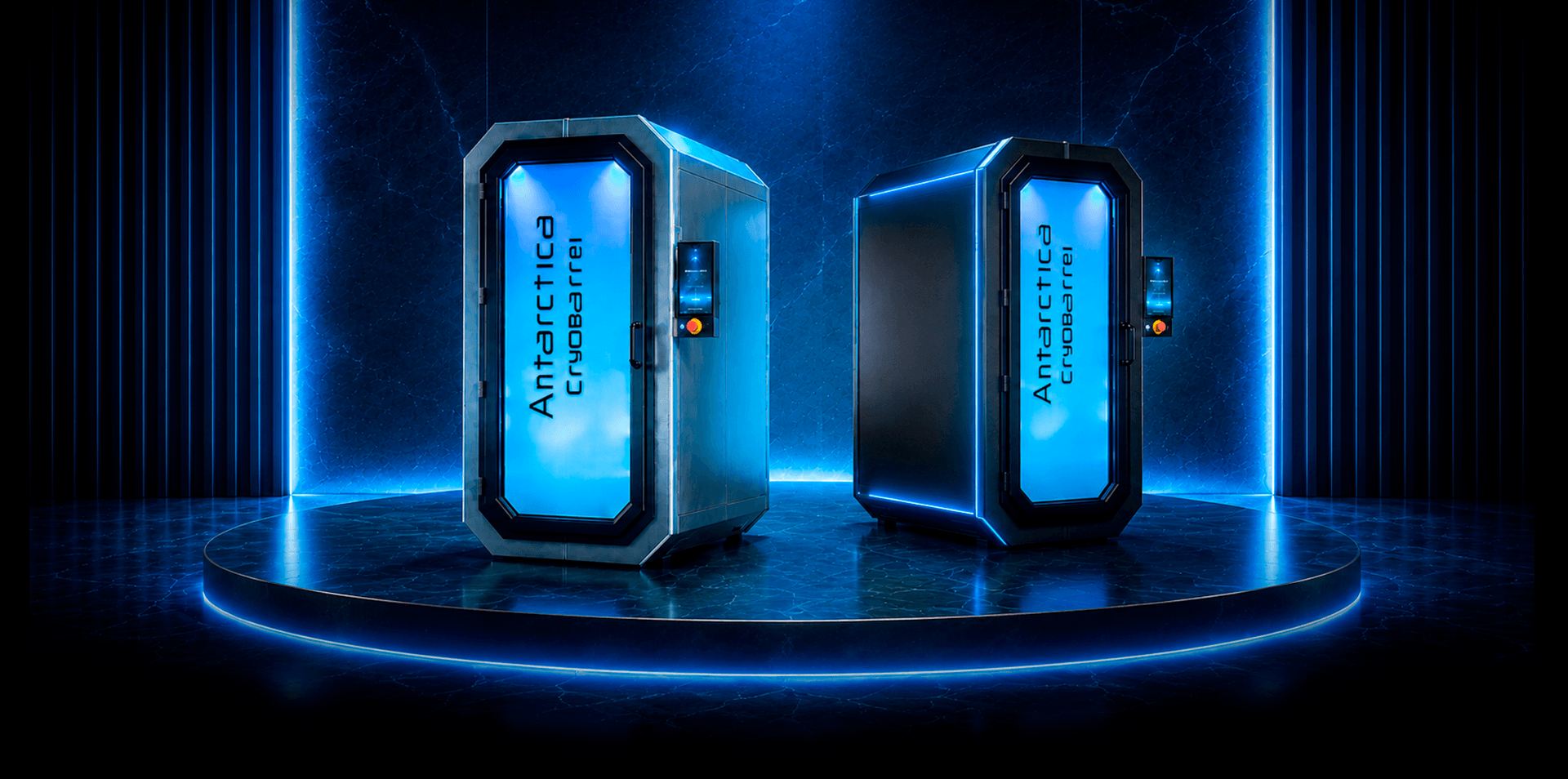
An electric cryotherapy chamber works like an industrial freezer built around a person. Compressors push refrigerant through a heat exchanger and pull the air down inside a closed cabin. The Antarctica Barrel from Cryonick Wellness Technology Factory reaches about -80°C (-112°F) in its single-compressor Simple version and about -110°C (-166°F) in the dual-compressor Grand. The barrel keeps the head outside the cold zone, the same way a cryosauna does. Walk-in electric rooms, like the ones Mecotec builds in Germany, cool the whole person, head included, and they’ll need a larger room and a bigger budget.
Running Costs: Gas Deliveries or a Power Bill
Nitrogen turns every session into a consumable expense. You pay for the gas, often rent the dewars and plan deliveries around your booking calendar. Liquid nitrogen also boils off in storage, so a slow week still drains the tank. If you’re in a city with a reliable industrial gas supplier, you’ll handle this without drama. Studio owners in small towns and resort areas tell us the delivery truck ends up setting their schedule.
An electric cryotherapy machine swaps that cycle for a utility bill. The Simple version averages about 3.5 kW in operation, and the Grand averages about 7 kW. At $0.15 per kWh, a Grand running through a ten-hour business day uses about $10.50 of electricity. If your room has no water supply and you add the external chiller, plan for another 3.5 kW. Your local rate and your nitrogen quote decide the math, so it’s worth running both with your own figures before you sign.
Safety, Ventilation and the Room Itself
Nitrogen vapor displaces oxygen. A cryosauna room needs oxygen monitoring, proper ventilation and staff trained to swap dewars and handle cryogenic liquid. Plenty of studios manage this every day, but it’s still a procedure, a sensor to certify and a line on your insurance form.
An electric cabin doesn’t release gas into the room, so the oxygen question goes away and your planning shifts to utilities and floor space. The Antarctica Barrel needs three-phase power at 400V/50Hz or 208V/60Hz, a 3/4-inch water line with a 2-inch drain (or the optional chiller) and a footprint of 223 x 132 x 240 cm. With the door open, the unit stretches to about 330 cm. It weighs 500 kg as a Simple and 650 kg as a Grand, so check the floor load before delivery day. Your operator still works with an emergency stop, a session timer and continuous temperature monitoring.
Nitrogen vs Electric: Side-by-Side
| Factor | Nitrogen cryosauna | Electric chamber (Antarctica Barrel) |
| Cooling source | Liquid nitrogen vapor | Compressor refrigeration |
| Cabin temperature | Often -120°C or colder | -80°C Simple, -110°C Grand |
| Main running cost | Gas and dewar rental | Electricity, 3.5 to 7 kW average |
| Supply logistics | Scheduled gas deliveries | Utilities only |
| Room safety | Oxygen sensors and ventilation | No gas release |
| Best fit | Lower purchase budget, coldest sessions | High session volume, no local gas supplier |
Choosing the Right Machine for Your Business
A nitrogen cryosauna still makes sense when you want the coldest sessions, your gas supplier sits down the road and your budget favors a lower purchase price. We tell buyers this up front, and our factory builds nitrogen models for those cases.
An electric unit earns its floor space when you expect steady daily bookings, when a hotel manager or landlord won’t accept cryogenic tanks on site, or when the nearest nitrogen supplier is hours away. Spas, sports clubs and longevity clinics that book sessions back to back can offset the higher equipment price with the gas bill they no longer pay. If that matches your plans, compare the Simple and Grand specifications of this nitrogen-free whole body cryotherapy chamber and send our engineers your room layout and power details before you order. The product video and client reviews of the Antarctica Barrel sit on the same page if you’d like to see the cabin in use first.